

The casino industry is experiencing a major shift as traditional games of pure chance make room for a new type of gambling experience. Skill-based casino games are transforming the gambling landscape by combining elements of strategy, player control, and video game entertainment with traditional casino thrills. These games allow players to influence outcomes through their decisions, reflexes, and strategic thinking rather than relying entirely on luck.
This evolution reflects changing player preferences, particularly among younger demographics who grew up with video games and seek more interactive experiences. Modern gamblers want entertainment that goes beyond spinning reels or rolling dice. They desire games that reward skill development and strategic thinking while still offering the excitement of potential winnings.
The rise of these hybrid games represents more than just a trend—it signals a fundamental change in how casinos operate and attract customers. From understanding what makes these games unique to exploring their impact on casino revenue strategies, the transformation touches every aspect of the gambling industry and points toward an increasingly interactive future for casino entertainment.
Understanding Skill-Based Casino Games
Skill-based casino games combine traditional gambling with player strategy and decision-making. These games give players more control over outcomes compared to pure chance games like slots or roulette.
Definition and Core Concepts
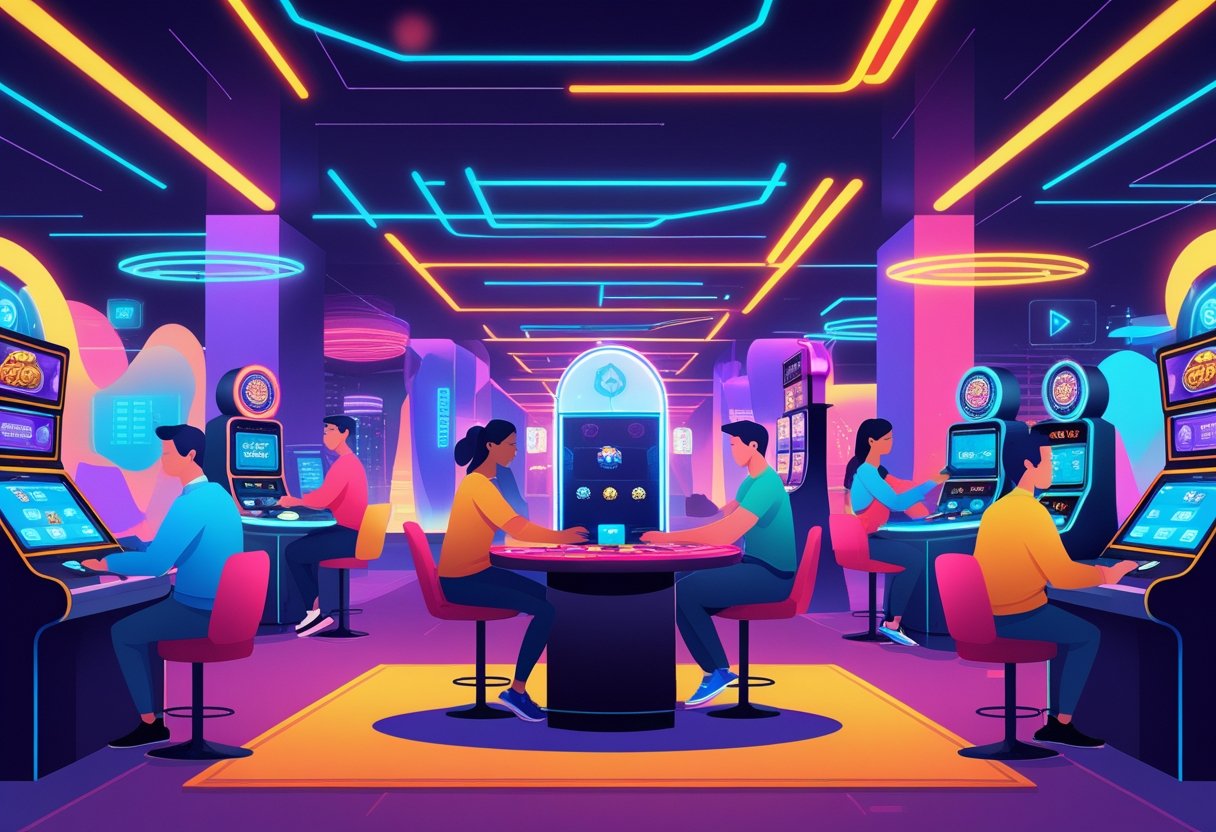
Skill-based casino games blend elements of chance with player abilities. Players use strategy, quick reflexes, or game knowledge to influence their chances of winning.
These games work differently from traditional casino games. Random number generators still play a role, but player decisions matter more. The outcome depends partly on luck and partly on skill.
Key features include:
- Player input affects results
- Strategic thinking is required
- Quick decision-making influences outcomes
- Game knowledge provides advantages
Most skill-based games still have a house edge. Casinos make money over time, but skilled players can improve their odds. This creates a balance between entertainment and gambling.
The games often use familiar video game mechanics. Players might complete challenges, solve puzzles, or compete against others. This makes the experience feel more interactive than traditional gambling.
Comparison With Traditional Chance-Based Games
Traditional casino games rely almost entirely on luck. Slot machines, roulette, and craps use random outcomes. Players cannot change the results through skill or strategy.
Traditional Games:
- Pure chance determines outcomes
- No player skill involved
- Same odds for all players
- Simple gameplay mechanics
Skill-Based Games:
- Player decisions influence results
- Skill level affects winning chances
- Experienced players have advantages
- Complex interactive gameplay
Traditional games appeal to players who enjoy quick, simple entertainment. They require no learning curve or practice. Players can start immediately without understanding complex rules.
Skill-based games attract different players. They appeal to people who want more control over their gambling experience. These players often come from video game backgrounds.
The payout structures also differ. Traditional games have fixed odds that favor the house. Skill-based games may offer better returns for skilled players while maintaining casino profits.
Types of Skill-Based Casino Games
Video Game Hybrids combine casino gambling with popular video game formats. Players might complete levels or achieve high scores to win money. These games look and feel like mobile or console games.
Strategy Card Games go beyond traditional poker. They include new variations that require complex decision-making. Players must learn optimal strategies to succeed.
Puzzle-Based Games challenge players to solve problems quickly. Higher scores or faster completion times lead to better payouts. These games test mental agility and pattern recognition.
Arcade-Style Games use familiar mechanics from classic arcade machines. Players might shoot targets, race cars, or complete timed challenges. Hand-eye coordination and reflexes determine success.
Competitive Multiplayer Games pit players against each other instead of the house. Winners take money from other players while the casino collects fees. These create tournament-style gambling experiences.
Each type targets different player preferences. Some focus on mental challenges while others emphasize physical skills. Casinos often offer multiple types to attract various demographics.
Historical Evolution of Casino Gaming
Casino games began as simple dice and card games in ancient civilizations before transforming into today’s sophisticated gaming experiences. This evolution moved through three major phases: traditional games of chance, electronic innovations, and the recent integration of skill-based elements.
Early Beginnings of Casino Games
The first casino games appeared in ancient Mesopotamia around 3000 BCE with simple dice made from animal bones. These games relied purely on chance and luck.
Ancient China developed card games during the Tang Dynasty (618-907 CE). These early cards featured different symbols and numbers. Players used them for entertainment and gambling.
Key ancient games included:
- Dice games in Egypt and Rome
- Card games in China and Persia
- Wheel games in European monasteries
The first official casino opened in Venice, Italy in 1638. The Ridotto offered controlled gambling in a government-approved setting. This marked the beginning of organized casino gaming.
European settlers brought these games to America in the 1600s and 1700s. Saloons and riverboats became popular gambling locations. Games like poker and blackjack gained popularity during this time.
Transition to Electronic and Digital Formats
The 1960s brought the first electronic slot machines to casinos. These machines used electrical components instead of mechanical reels. They offered more game variety and faster play.
Video poker arrived in the 1970s, combining traditional poker with computer technology. Players could now play card games on electronic screens. This innovation attracted new types of players.
Major technological advances:
- 1960s: Electronic slot machines
- 1970s: Video poker and electronic table games
- 1990s: Online casino platforms
- 2000s: Mobile gaming applications
Online casinos launched in the mid-1990s with basic graphics and simple games. Internet connections improved, allowing for better game quality. Players could now gamble from home using computers.
Mobile gaming emerged in the 2000s as smartphones became common. Casino apps offered portable gaming experiences. This expansion reached millions of new players worldwide.
Emergence of Skill Elements in Gambling
Traditional casino games relied mostly on luck and chance. Players had little control over outcomes in slots or roulette. This began changing in the early 2000s.
Game developers started adding skill-based features to attract younger players. These players grew up with video games and wanted more control. Skill-based elements included timing, decision-making, and strategy components.
Modern skill-based games blend casino gambling with video game mechanics. Players can influence outcomes through their actions and choices. These games still include random elements to maintain gambling appeal.
Examples of skill integration:
- Poker tournaments requiring strategy
- Blackjack with card counting opportunities
- Slot machines with bonus skill rounds
- Sports betting with research advantages
Regulatory bodies began approving skill-based casino games in Nevada in 2015. Other states followed with similar approvals. This opened doors for more innovative game designs that combine entertainment with gambling.
Modern Player Demands and Preferences
Today’s casino players want more than just luck-based games. They seek interactive experiences that combine skill, strategy, and entertainment value while maintaining the excitement of traditional gambling.
Changing Demographics in Casino Audiences
Millennials and Generation Z players have different expectations than older casino visitors. These younger players grew up with video games and interactive technology. They want games that require skill and decision-making.
Key demographic shifts include:
- Players aged 21-35 prefer interactive gaming experiences
- Mobile gaming backgrounds influence casino preferences
- Social gaming elements become more important
- Traditional slot machines appeal less to younger audiences
Casino operators now design games to attract tech-savvy players. These new customers expect high-quality graphics and engaging gameplay. They also want games that reward practice and improvement over time.
The shift represents a 12.3% growth in skill-based gaming interest across all age groups. This change forces casinos to rethink their floor layouts and game offerings.
Role of Strategy and Player Control
Modern players want influence over their gaming outcomes. They prefer games where decisions matter and skill development leads to better results. This differs from traditional chance-based games.
Player control elements include:
- Strategic decision-making during gameplay
- Skill development that improves winning chances
- Practice opportunities to enhance abilities
- Reflex-based challenges that reward quick thinking
Players enjoy feeling responsible for their success or failure. Games that combine luck with skill provide this sense of agency. Poker has always offered this balance, but new games expand these options.
Casino games now incorporate video game mechanics. Players can level up, unlock features, and compete against others. These elements create deeper engagement than simple chance-based outcomes.
Entertainment Value Versus Pure Gambling
Today’s players view casino visits as entertainment experiences rather than pure gambling sessions. They want games that provide fun and engagement beyond just winning money.
Entertainment priorities include:
- Immersive storylines and themes
- Social interaction with other players
- Achievement systems and rewards
- High-quality audio and visual effects
Skill-based games offer longer play sessions because they remain interesting even during losing streaks. Players can focus on improving their abilities rather than just hoping for lucky outcomes.
These games also attract non-gamblers who enjoy the gaming elements. Casinos can appeal to broader audiences by offering entertainment value alongside gambling excitement.
The blend of gaming and gambling creates hybrid experiences. Players get the thrill of potential winnings plus the satisfaction of skillful play.
Key Features of Skill-Based Casino Games
Skill-based casino games combine interactive gameplay with advanced technology to create engaging experiences. These games reward player ability while maintaining elements of chance through sophisticated mechanics and digital innovations.
Gameplay Mechanics and Interactivity
Skill-based casino games use interactive bonus rounds where players make decisions that directly affect outcomes. Players might solve puzzles, aim targets, or complete challenges during these segments.
Player input timing becomes crucial in many games. Quick reflexes and strategic thinking can improve winning chances beyond pure luck.
The games feature progressive difficulty levels. As players advance, challenges become harder but offer better rewards.
Real-time decision making sets these games apart from traditional slots. Players choose paths, select moves, or control characters during gameplay.
Many games include leaderboards and tournaments. Players compete against others based on skill performance rather than just random results.
Customizable strategies allow experienced players to develop unique approaches. Different playing styles can lead to varying success rates.
Integration of Technology and Gamification
Touch screen interfaces enable precise control over game elements. Players can drag, tap, and swipe to interact with game features directly.
Achievement systems reward players for reaching specific goals. These might include completing certain challenges or maintaining winning streaks.
Experience points and leveling create progression systems similar to video games. Players unlock new features as they advance.
Social features connect players through chat functions and shared competitions. Friends can compare scores and challenge each other.
Mobile optimization ensures smooth gameplay across devices. Games adapt to different screen sizes while maintaining full functionality.
Data analytics track player performance to adjust difficulty and maintain engagement. The technology learns from player behavior patterns.
Blurring the Line: Entertainment and Gambling
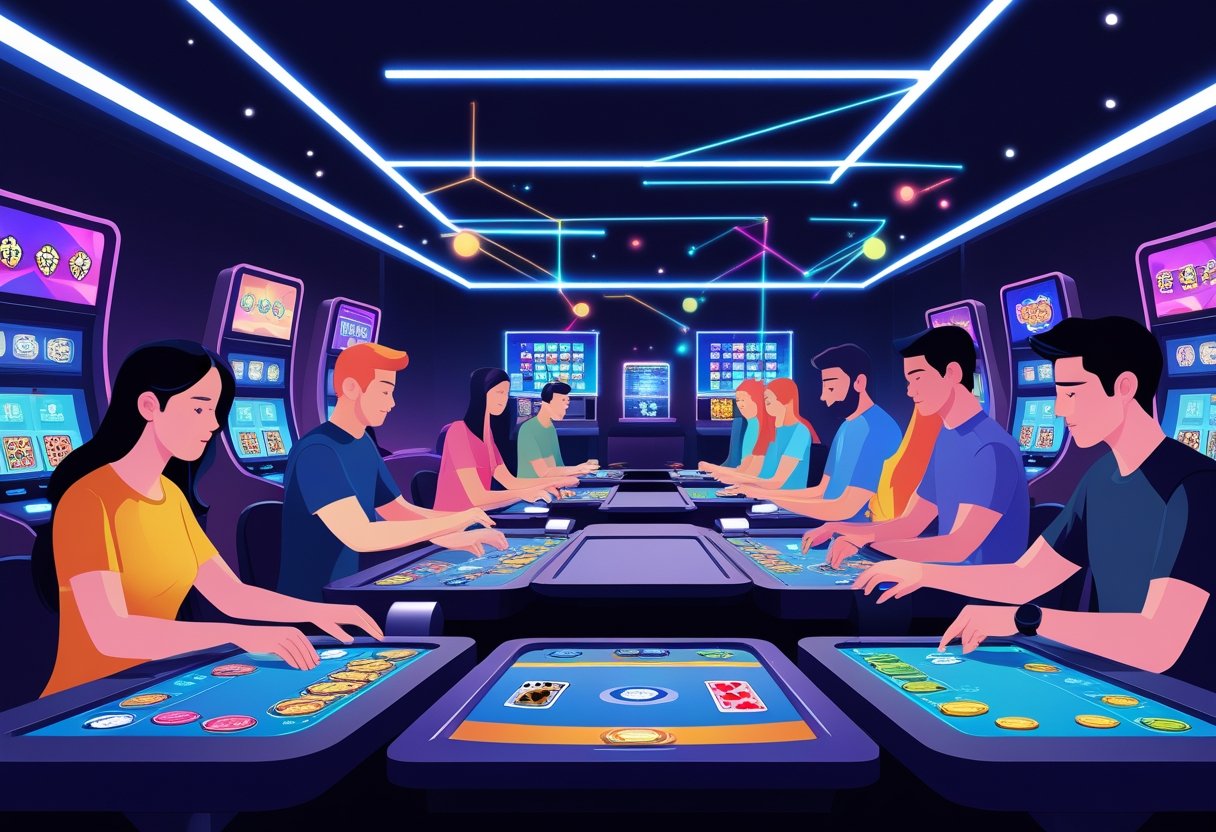
The traditional boundaries between gaming and gambling have become less clear as casinos adopt video game elements and competitive features. Modern skill-based casino games now include strategic gameplay, interactive mechanics, and engagement systems borrowed directly from the entertainment industry.
Influence of Video Games and Esports
Casino developers now integrate familiar gaming mechanics into their platforms. Players encounter leveling systems, achievement badges, and leaderboards that mirror popular video games. These features create a sense of progression beyond simple wins and losses.
Esports tournaments have influenced casino design through competitive elements. Many skill-based casino games feature:
- Tournament brackets with multiple elimination rounds
- Real-time player rankings during competitions
- Spectator modes where others can watch skilled players
- Team-based challenges that encourage social interaction
The visual presentation has also changed significantly. Modern casino games use 3D graphics, animated characters, and interactive storylines similar to console games. Players navigate through different levels or worlds as they play.
Touch screen technology allows for more complex controls. Games now include gesture-based movements, timing challenges, and precision-based tasks that require hand-eye coordination rather than just button pressing.
Engagement and Retention Strategies
Casinos use entertainment industry tactics to keep players active longer. Daily login bonuses reward consistent participation, while seasonal events create limited-time excitement around specific themes or holidays.
Social features connect players in new ways. Friend lists, chat systems, and shared achievements build communities within casino platforms. Players can send gifts to each other or compete in private groups.
Progress tracking systems show detailed statistics about player performance. Games display win rates, skill improvement graphs, and personal records that help players measure their development over time.
Customization options let players personalize their experience. They can choose avatars, unlock new game themes, or purchase cosmetic upgrades using both real money and earned rewards.
Impact on the Casino Industry
Skill-based casino games have created new regulatory frameworks and shifted traditional revenue models. These changes require casinos to adapt their operations and compliance strategies while navigating evolving market dynamics.
Regulatory Challenges and Compliance
Gaming commissions face complex decisions when approving skill-based games. Traditional slot machines follow established mathematical models for house edge calculations. Skill-based games require new testing methods to ensure fair play.
Key regulatory hurdles include:
- Determining minimum house edge requirements
- Testing player skill impact on outcomes
- Establishing age restrictions for video game elements
- Creating certification processes for hybrid games
State gaming boards must balance innovation with player protection. Nevada led early adoption by approving skill-based slots in 2016. Other states followed with varying approval timelines and requirements.
Casinos invest significant resources in compliance teams. These specialists work with manufacturers to meet evolving standards. The approval process can take 12-18 months compared to 6-8 months for traditional games.
Revenue Trends and Market Growth
Skill-based games target younger demographics who spend less on traditional gambling. Millennials and Gen Z players prefer interactive experiences over passive slot play. This shift impacts casino floor planning and game placement strategies.
Revenue patterns show:
- Lower per-spin amounts but longer play sessions
- Increased food and beverage sales during extended gaming
- Higher player engagement scores
- Mixed results on total revenue per machine
Casino operators blend skill-based and traditional games on their floors. This approach serves different player preferences while maintaining revenue streams. Early adopters report that skill games attract new customers who later try traditional options.
Market research indicates steady growth in skill-based gaming segments. Manufacturers continue developing new titles that blend strategy with gambling elements.
Future Trends in Skill-Based Casino Gaming
The skill-based casino gaming industry stands at a critical point where technology meets player demand. Game developers are creating more complex experiences while casinos explore global markets and adapt to changing player preferences.
Advancements in Game Design
Virtual and augmented reality will transform skill-based casino games into immersive experiences. Players will enter digital worlds where poker skills merge with virtual environments.
Game developers are building hybrid systems that combine traditional casino elements with video game mechanics. These games reward both quick reflexes and strategic thinking.
Artificial intelligence will create dynamic opponents that adapt to player skill levels. This technology ensures games remain challenging without becoming impossible to win.
Mobile gaming integration allows players to practice skills outside casinos. Apps will sync progress between home practice and casino play.
Blockchain technology promises transparent skill verification and secure tournaments. Smart contracts will automatically distribute winnings based on verified performance data.
Potential Expansions Into New Markets
International markets like India and Southeast Asia show growing demand for skill-based games. Local developers are creating culturally relevant gaming experiences.
Esports betting integration will allow traditional casinos to tap into competitive gaming audiences. Players will wager on both professional matches and their own tournament performance.
Educational institutions may adopt skill-based gaming platforms for strategic thinking courses. This crossover could legitimize gaming skills in academic settings.
Cruise ships and entertainment venues will install skill-based gaming zones. These locations target younger demographics who prefer interactive experiences over traditional slots.
Corporate team-building markets present opportunities for casino-style skill games without monetary stakes.
Predicted Shifts in Player Behavior
Younger generations will drive demand for games requiring active participation. These players grew up with video games and expect similar engagement from casino experiences.
Social gaming features will become standard expectations. Players want to compete with friends and share achievements on social media platforms.
Skill development will become part of the gaming experience. Players will invest time learning strategies rather than relying purely on luck.
Tournament participation will increase as players seek competitive environments. Regular competitions will replace casual individual play for many gamers.
Cross-platform play will allow seamless transitions between mobile apps, online casinos, and physical gaming floors. Players expect unified experiences across all gaming channels.
Frequently Asked Questions
Skill-based casino games incorporate player decision-making and strategy rather than pure chance. These games attract younger players who want more control over outcomes and blend video game elements with traditional gambling.
What characteristics define a casino game as being ‘skill-based’?
Skill-based casino games require player decision-making and strategy to influence outcomes. Unlike traditional slots or roulette, these games give players some control over results through their choices and abilities.
The games typically combine elements of chance with player skill. This means luck still plays a role, but player decisions can improve their chances of winning.
Many skill-based games use familiar video game mechanics. Players might need to aim, solve puzzles, or make strategic choices during gameplay.
How have skill-based casino games changed the gambling landscape?
Skill-based games have brought younger players into casinos. Millennials and Generation Z players prefer interactive experiences over traditional chance-based games.
The gambling industry now offers more variety in game types. Casinos blend entertainment with gambling to create more engaging experiences.
These games have shifted focus from pure luck to player engagement. The change attracts people who want to feel their skills matter in the outcome.
What are some examples of popular skill-based casino games?
Video poker represents one of the earliest skill-based casino games. Players make decisions about which cards to keep or discard based on poker strategy.
Blackjack allows players to use basic strategy to reduce the house edge. Card counting and decision-making skills can influence outcomes.
Modern arcade-style games have entered casinos. These might include shooting games, puzzle games, or sports-themed challenges with gambling elements.
Can you increase your chances of winning through strategy in skill-based casino games?
Players can improve their odds through practice and strategy in skill-based games. Good decision-making and skill development lead to better results than random play.
The house edge still exists in these games. However, skilled players can perform better than average players over time.
Success requires learning optimal strategies for each game. Players must understand both the skill elements and the underlying mathematical probabilities.
What impact do skill-based games have on traditional notions of gambling?
Skill-based games challenge the idea that gambling relies only on luck. They introduce elements where player ability directly affects outcomes.
These games blur the line between gaming and gambling. Players engage with familiar video game mechanics while wagering real money.
The shift changes how people view casino visits. Instead of just hoping for luck, players can practice and improve their performance.
How are casino operators integrating skill-based games into their offerings to appeal to a modern audience?
Casinos are adding skill-based games alongside traditional offerings. This creates a balanced gaming floor that appeals to different player preferences.
Operators face regulatory challenges when introducing these games. They must navigate gaming laws while ensuring fair play and proper oversight.
Many casinos are redesigning their layouts to accommodate new game types. They create spaces that feel more like entertainment venues than traditional gambling halls.
