
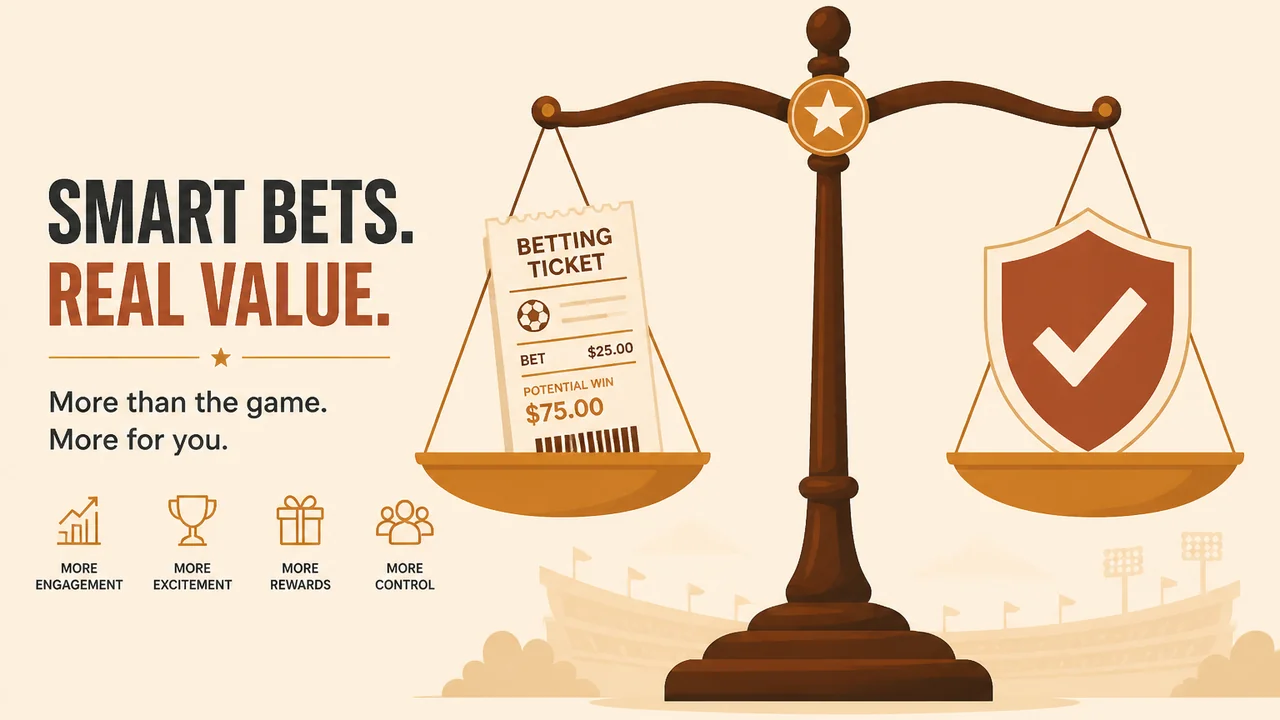

Sports betting is not a free hobby and will not pay the mortgage. For many players in Serbia, however, it is a well-shaped weekend ritual that adds genuine value when the account is set up on a licensed site and the stakes stay inside a planned budget. This Q&A unpacks the honest version of what players actually get out of it, with the headline questions answered up front.
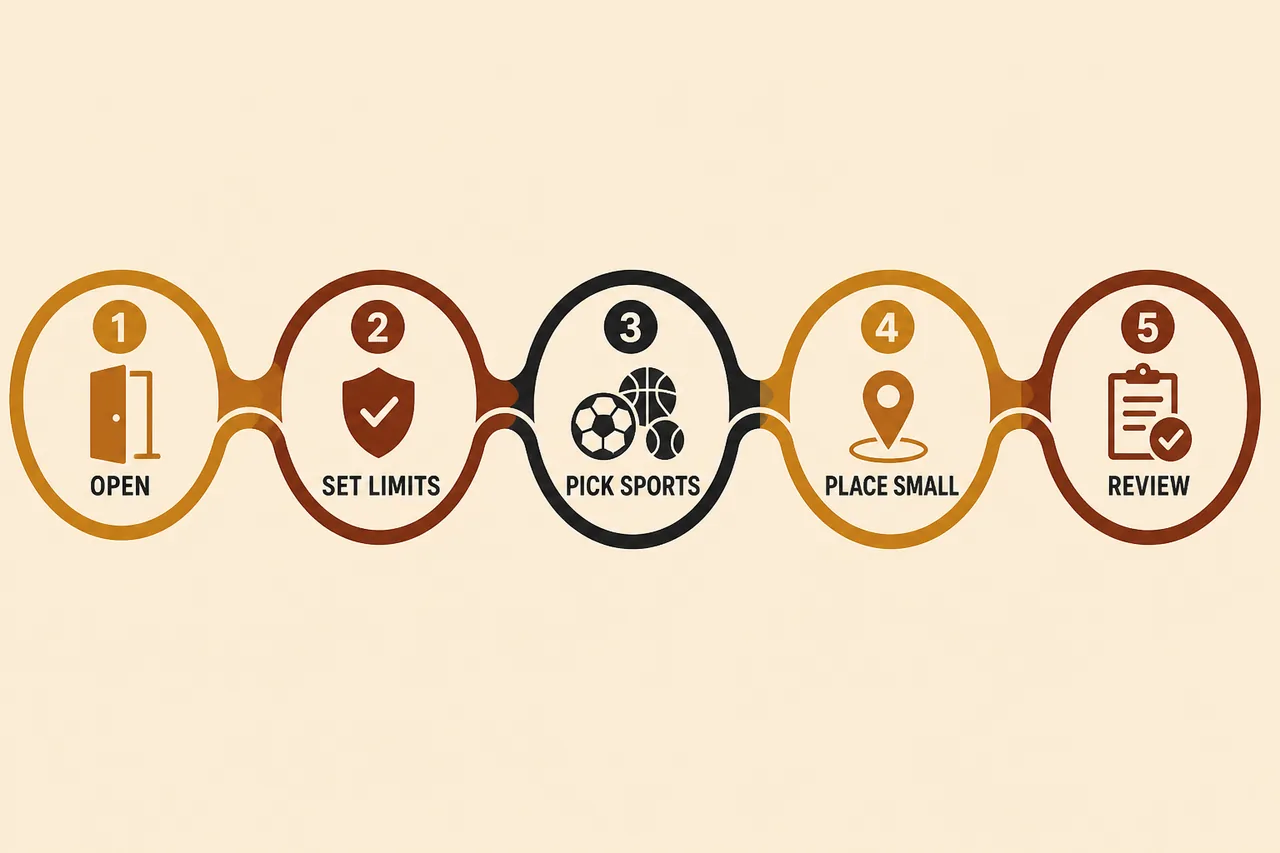
- Open an account at a licensed Serbian operator and complete the KYC check
- Set deposit, loss and session limits inside the account before placing a first bet
- Build a short list of two or three sports to follow, not nine
- Place small, considered tickets through the first month and keep a notes log
- Review the log monthly, adjust the limits, and decide whether to continue
Why Does Choosing a Licensed Operator Matter So Much to Players
Choosing a licensed operator matters because it moves the account onto a regulated balance sheet. A Serbian online bookmaker holds a minimum share capital of EUR 250,000 and lodges a EUR 300,000 bank deposit or guarantee with the regulator, under the 2020 Act on Games of Chance and its 2024 amendments. That is a direct, boring, measurable layer of protection that an unlicensed site does not carry.
The protection shows up in three places. The deposit backs player balances if the operator fails. The regulator sees the operator’s betting ledger in real time, which makes a dispute winnable rather than a shouting match. KYC and self-exclusion data are shared, which means a player who excludes at one site is excluded across the whole regulated market.
Reference. The compliance package was due by 10 July 2021, so every operator currently on the Serbian list has already met the capital, deposit and system requirements.
What Do Players Actually Get For the Overround on the Price
Every price carries an operator margin, usually called the overround or vig. On a mainstream football match the margin is a few percentage points. The honest question for the player is what that margin buys.
It buys the market itself: a priced opinion on an outcome, available in two taps, settled automatically, with a receipt. It buys the live markets that update several times a second during a match. It buys the streaming, the cash-out tool, the mobile app and the twenty-four-hour support channel. Players who look at the margin as a hobby subscription rather than a tax tend to make better peace with it.
| What the margin funds | What the player experiences |
|---|---|
| Trading and risk desk | Prices on matches most sportsbooks skip |
| Live data feeds | In-play markets that stay accurate |
| Technology stack | App that works on a 3G signal in a cafe |
| Streaming rights | Watchable fixtures tied to the account |
| Compliance and reporting | Licence protection, KYC, self-exclusion |
Is Sports Betting Fair When the Book Always Has a Margin
Fair is the wrong word for a priced market. The right word is transparent. A Serbian-licensed operator publishes a price, the player decides whether to take it, and the overround is visible as the sum of implied probabilities above one hundred percent. A player who feels the margin is unfair is really saying the hobby is not worth the price for them, which is a perfectly reasonable conclusion.
Players also hold a few quiet advantages the operator cannot easily close. Deep local knowledge of a smaller league, familiarity with a basketball roster, or simple patience to skip a weekend when the schedule looks poor all push the real break-even back down. None of these are shortcuts to a guaranteed profit; they are the things that make the hobby interesting at a level deeper than the price.
How Do the Responsible-Play Tools Change the Value Proposition
Responsible-play tools change the value proposition because they move control from the app design to the account owner. The toolkit covers deposit limits, loss limits, session timers, reality checks, cool-off periods and self-exclusion. Under the January 2025 regulatory package these have to be clearly presented, and the data flows through the SPIS player protection body as well as the operator.
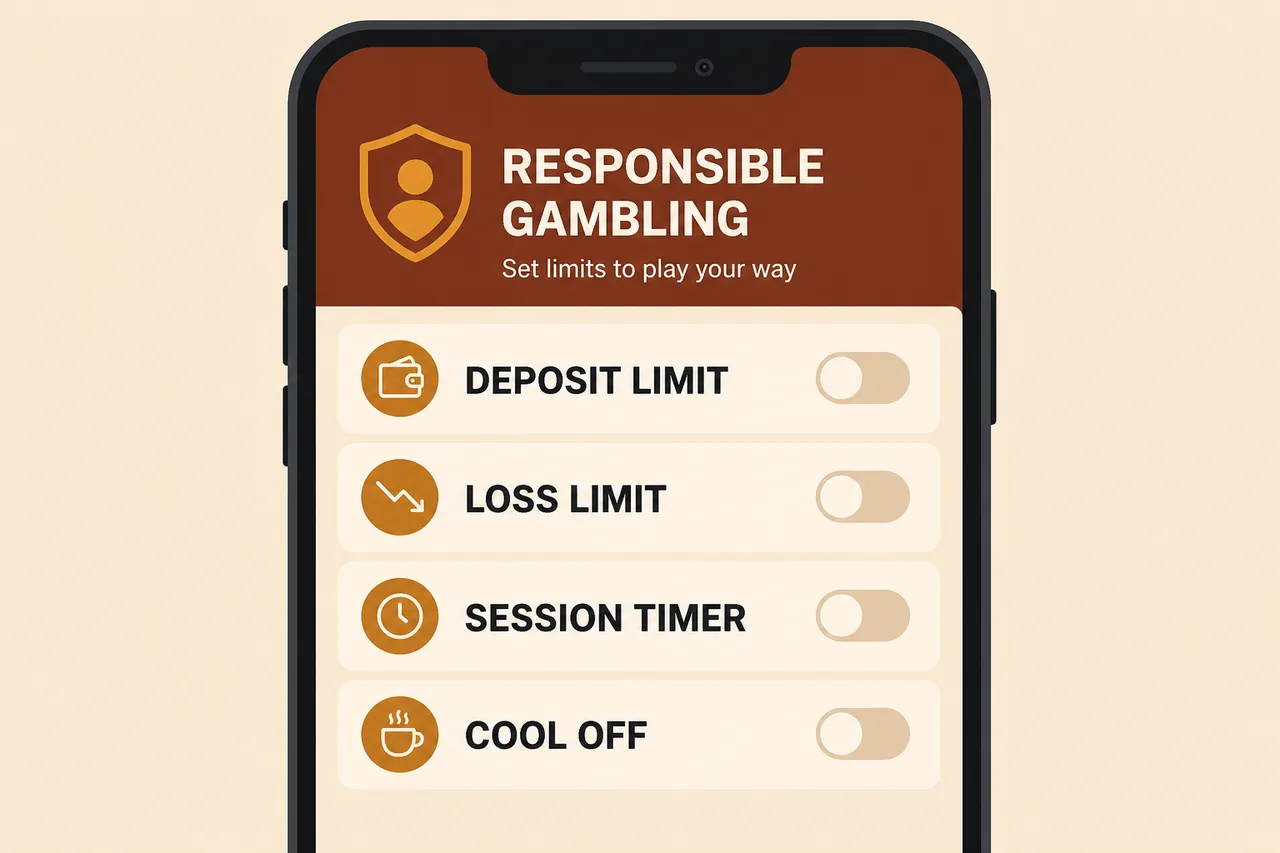
A player who sets a monthly deposit limit of a specific round number before the first bet of the month has already done the single highest-leverage thing a hobby budget asks for. The limit is a quiet constraint, not a warning sign, and the sites that respect it well become easier to stay with over seasons.
- Deposit limit, per day, week or month
- Loss limit, over any set period
- Session timer that interrupts long live-betting sessions
- Reality check that reports time and money spent so far
- Cool-off that locks the account for a chosen window
- Self-exclusion that routes through SPIS
What Do Players Really Get From Promotions, Honestly
Players get entertainment credit, loyalty markers and the occasional small edge. They do not get expected value for free. The headline percentages on welcome bonuses rarely survive the wagering requirement, the minimum odds condition and the deadline, and a player who reads the terms once per offer tends to end up with a shorter list of offers they trust.
The useful promotions are the small, routine ones. A freebet refund that returns part of a bad week as a credit at a reasonable minimum odd will be used. An insurance refund on a four-leg accumulator will be used. A huge headline percentage that requires rolling the stake dozens of times at an aggressive minimum odd is reaching for the player’s attention more than their wallet.
Tip. Keep a short note of every bonus accepted, the condition attached and whether the credit was ever used. Three months of that log turns promotion marketing into a boring list.
Is There Real Value in a Guide to Serbian Operators
Yes, when the guide is independent and keeps up with the licensing list. Serbian-licensed operators now number around twenty-five online brands, and the differences between them are concrete rather than cosmetic. One site clears IPS withdrawals the fastest; another has the broadest NBA player prop board; a third carries the most reliable live streaming for lower-division football.
A guide such as burazbet.com publishes the current roster, cross-references the official register, summarises current promotions and keeps notes on payment experience. For a player who does not want to open five accounts to compare them, that is a time saving. It is not a strategy, and the guide itself does not accept bets.
How Does Serbian Tax Treatment Shape the Hobby for Players
Serbian tax rules shape the hobby in two places. Operators pay a tax on gross gaming revenue, which is folded into their pricing, and players pay a tax on winnings above 100,000 RSD on a single payout, roughly 850 euros. The player-side rule mostly bites on big single tickets rather than a disciplined weekly habit of smaller stakes.
A player who keeps a simple ledger of weekly stakes and payouts, in a spreadsheet or an app, will know whether a specific ticket crossed the line without having to reconstruct the month in a hurry. This is tax information, not tax advice.
| Tax point | Where it applies | Practical note |
|---|---|---|
| Fifteen percent GGR | Operator side, online betting | Baked into the odds |
| Twenty percent on winnings | Player side, single payout above 100,000 RSD | Keep a simple ledger |
| Advertising warnings | Operator ads | Addiction-prevention message mandatory |
What Do Players Lose When They Skip the Licensed Market
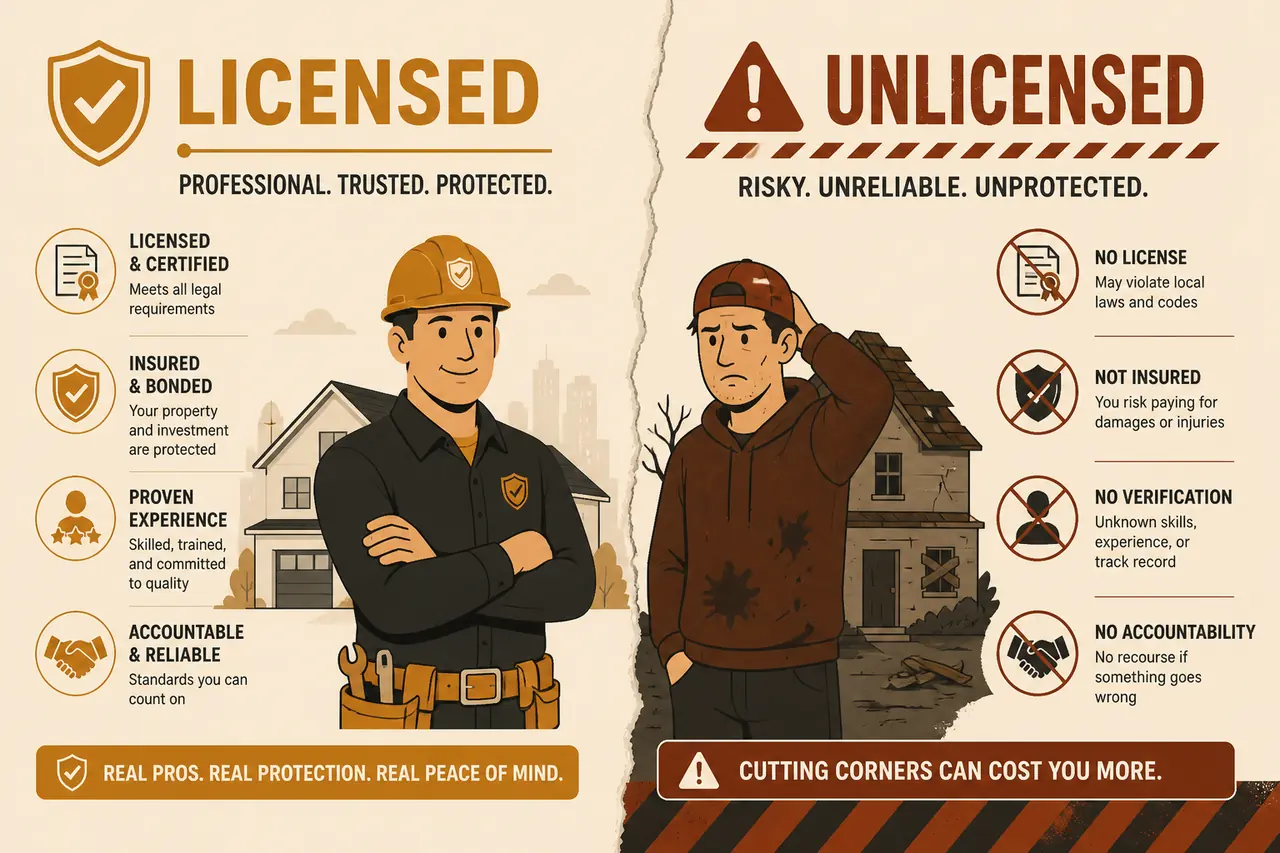
Players who place bets with an unlicensed site give up the protections that cost the regulated market a visible slice of their margin. The site may still take the bet; it will not refund a lost balance from a compliance backstop, honour a self-exclusion registered elsewhere, or respond to the regulator in a dispute.
They also give up the operational quality that the licence requires. Unlicensed sites do not have to invest in KYC, uptime, reporting or audit systems. The first time something goes wrong, the gap between a licensed and an unlicensed experience is dramatic. The second time, there usually is not a conversation to be had.
How Do Players Decide Whether the Hobby Is Still Worth It
Players decide by looking at the log, not the memory. A monthly review that sums deposits, withdrawals, time spent and the three best and three worst moments is the single tool that tells the honest story. If the log looks like entertainment at a hobby price, the hobby is still worth it. If the log reads like a slow leak with no joy attached, the limits need lowering or the account needs closing.
That is not a conservative answer. It is the answer that any priced-entertainment product, from live music to car ownership, invites. Sports betting is unusual mostly in how quickly the numbers move, which is why the log needs to exist in the first place.
So Is the Hobby Actually Worth It for Players
For a player who sets limits, picks a licensed Serbian site, reads the odds like probabilities, treats the overround as the price of the product and keeps a monthly log, sports betting pays its way as a weekend hobby. The verdict is a quiet yes with conditions attached.
The yes depends on the conditions. Drop the limits, the licensed site, or the log, and the same hobby stops being a weekend ritual and starts asking harder questions. The regulated Serbian market is designed to make the conditions easy to meet; the choice to meet them belongs to the player.
